Buying Property in Costa Rica With Confidence through Vetted Professionals
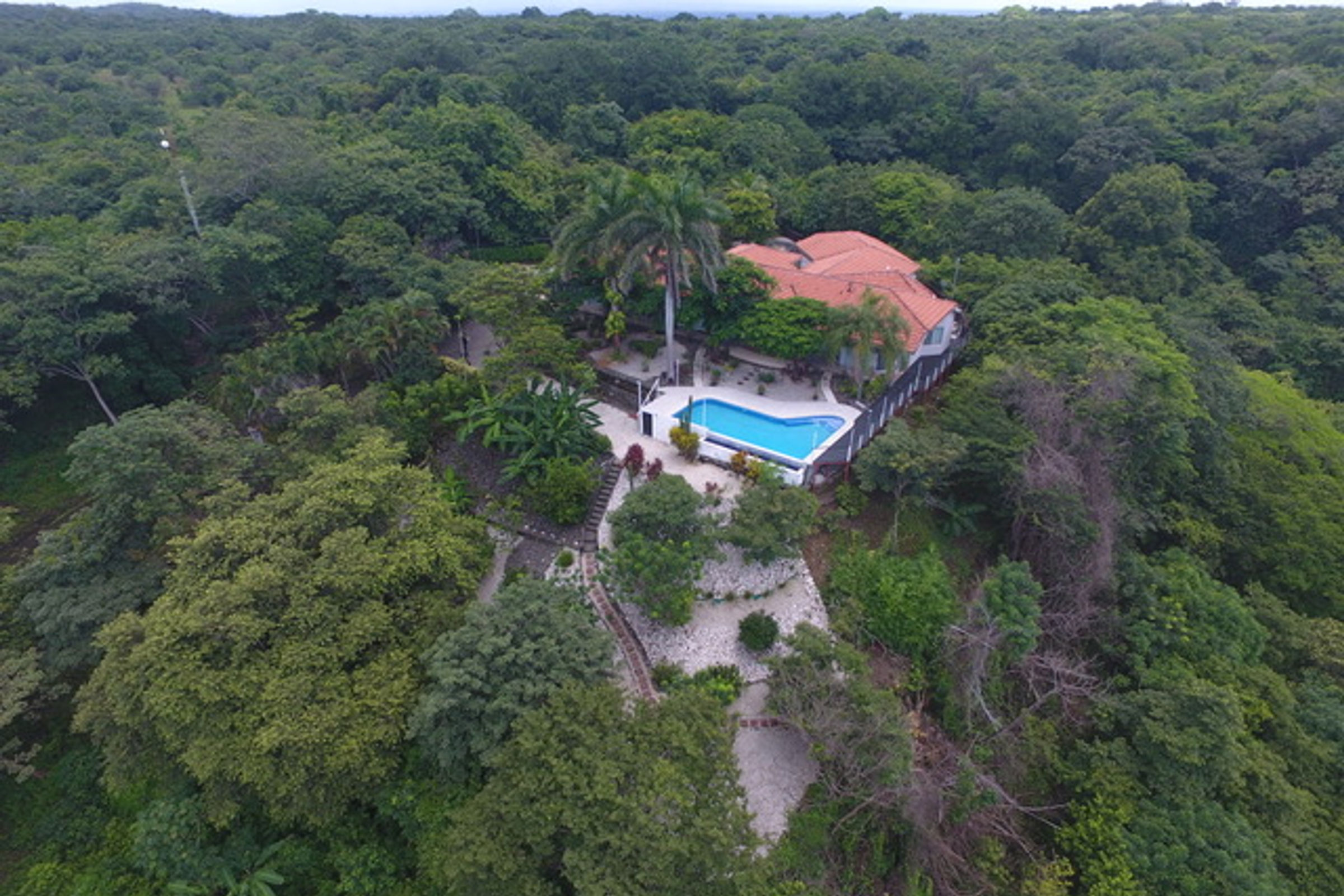
Buying property in Costa Rica calls for discreet guidance, local rigor, and a clear view of Guanacaste's premier estates and enduring value over time.
A hillside arrival at sunset, the Pacific opening beneath an architectural estate, and a private terrace made for three generations at once: this is often the moment when buying property in Costa Rica becomes more than a real estate decision. For discerning buyers, Guanacaste offers a rare combination of natural beauty, international accessibility, refined hospitality, and homes with the presence to become part of a family story.
Yet extraordinary settings deserve equally disciplined acquisition. The finest Costa Rican property purchases are shaped well before an offer is presented, through thoughtful location selection, exacting due diligence, trusted professional counsel, and an understanding of how each residence will serve its owners over time.
Why Guanacaste Holds Enduring Appeal
Guanacaste has evolved from a sun-drenched escape into one of the Americas' most compelling luxury residential markets. Its appeal is not simply the coastline. It is the quality of life around it: private beach clubs, championship golf, world-class resorts, bilingual schools, expanding medical services, and direct air access through Liberia's international airport.
Within this landscape, the difference between a pleasant home and a legacy property can be profound. A premier estate may offer protected views, a coveted beach proximity, mature landscaping, architectural distinction, strong privacy, and a setting that cannot be replicated as development advances. These qualities tend to matter as much in future resale as they do on the day a family takes possession.
Location should be considered at a granular level. Peninsula Papagayo, Playa Panama, Playa Hermosa, Las Catalinas, Tamarindo, Reserva Conchal, and the wider Gold Coast each carry a different rhythm, buyer profile, and ownership experience. Some owners prioritize resort infrastructure and a fully serviced arrival. Others seek a more private coastal enclave, substantial acreage, or a residence close to a lively town. There is no universally superior choice. There is only the place that aligns with how you intend to live.
Buying Property in Costa Rica as a Foreign Buyer
Costa Rica generally permits foreign buyers to own property with rights comparable to those of Costa Rican citizens. That accessibility is a central part of the country's appeal, but it should never be mistaken for a reason to shortcut the process. The legal, tax, title, zoning, and operational details of a purchase deserve careful review by independent, qualified local professionals.
A buyer may acquire a residence personally or through a Costa Rican corporate entity. The appropriate structure depends on ownership goals, estate planning, privacy considerations, family participation, financing, and intended use. A corporation can be useful in certain circumstances, but it also brings administrative obligations. The choice should follow thoughtful legal and tax advice in both Costa Rica and the buyer's home jurisdiction, rather than a one-size-fits-all convention.
Coastal property requires particular attention. Much of Costa Rica's shoreline falls within the Maritime Terrestrial Zone, commonly called the concession zone. Property there may be governed by a concession arrangement rather than conventional fee-simple title, and the terms, transferability, municipal compliance, and remaining duration must be reviewed with precision. Many exceptional coastal opportunities are entirely sound, but the ownership framework must be clearly understood before emotion takes the lead.
The Due Diligence That Protects a Legacy Asset
A residence can look immaculate during a private viewing and still require substantial investigation. In Guanacaste, diligence should extend beyond the home itself to the land, infrastructure, community rules, water supply, access, and the property's ability to perform through both dry and rainy seasons.
A qualified Costa Rican real estate attorney (see our referral network under Services, Real Estate Council) should independently verify title through the National Registry, confirm the seller's authority to sell, examine liens or encumbrances, review surveys and boundaries, and assess zoning, permits, and applicable restrictions. For a luxury estate, the review should also include association documents, architectural controls, easements, service agreements, and any rental limitations.
Physical diligence deserves the same level of care. Commission a thorough inspection from a professional who understands tropical construction. Salt air, humidity, intense sun, seasonal rains, drainage patterns, retaining walls, pools, roofs, backup systems, and road access all deserve close attention. A polished finish does not replace sound engineering or consistent maintenance.
Water is another essential conversation in Guanacaste. The property's water source, storage capacity, legal status, distribution arrangements, and resilience during the dry season should be verified. The same is true of internet service, power backup, wastewater systems, security, and property management. These details may feel operational, but they shape whether an estate remains effortless when family and guests arrive.
Price Is Only One Measure of Value
Sophisticated buyers do not evaluate a Costa Rican estate by asking only whether it is priced below a comparable US coastal home. They consider scarcity, carrying costs, ease of ownership, replacement cost, market depth, and the character of the setting. A lower-priced property may carry costly infrastructure needs, limited liquidity, a compromised access route, or an ownership structure that does not fit the buyer's objectives.
Conversely, a residence at the upper end of its local market may be justified by irreplaceable land, an established location, exceptional design, and reliable service infrastructure. It may also hold appeal for a smaller but highly qualified future buyer pool. The objective is not to overpay for a view. It is to recognize the traits that make a property difficult to duplicate.
Buyers should also plan for expenses beyond the purchase price. Depending on the transaction, these can include legal fees, registry and transfer costs, entity expenses, insurance, association dues, property management, staff, utilities, and maintenance. If the residence will be rented, account for licensing, management fees, furnishings, marketing, and the practical wear that rental use can bring. A home designed as a private retreat and a home operated as a hospitality asset may require different decisions from the outset.
A More Considered Acquisition Process
The strongest purchase process begins with a private brief, not an online search. Before viewing homes, define the nonnegotiables: whether the property is intended for personal retreats, multigenerational gatherings, investment exposure, or eventual full-time residence; the preferred level of privacy; the desired proximity to an airport, beach, marina, school, or resort; and the degree of service expected after closing.
With those parameters in place, a curated search can reveal opportunities that mass-market portals rarely convey well. Some of Guanacaste's most compelling homes are discreetly offered, while others require context to understand their true distinction. Private viewings also allow a buyer to experience morning light, afternoon winds, drive times, beach access, neighboring construction, and the texture of the community in a way photographs cannot provide.
Once a preferred property emerges, the offer should be structured with appropriate conditions, a clear diligence period, and an escrow arrangement suited to the transaction. Terms vary by property and seller, so this is where informed representation has particular value. A purchase agreement should reflect the findings of legal and physical due diligence, rather than merely memorialize a price.
Closing is not the final service moment. For an owner acquiring from abroad, a well-managed transition can include insurance coordination, utilities, staff introductions, property management, furnishing, security, maintenance planning, and community orientation. The goal is not simply to receive keys. It is to arrive at a residence ready to support the life envisioned for it.
The Value of Discreet Local Representation
Luxury property acquisition is personal. A buyer may be balancing family expectations, a demanding professional schedule, a desire for confidentiality, and a long-held vision of a place that feels distinctly theirs. That is why curated market access and experienced local relationships are more valuable than volume.
Costa Rica Livin approaches the search as an act of stewardship, connecting qualified buyers with premier estates, trusted specialists, and the local perspective necessary to assess a property beyond its presentation. The right advisor does not force urgency. They create clarity, challenge assumptions when needed, and protect the standards that brought the buyer to Guanacaste in the first place.
A Costa Rican home can be a seasonal refuge, a gathering place, or an expression of a family's next chapter. Give the decision the time, discretion, and counsel it merits, and the property you choose may feel less like an acquisition than a place your family was always meant to return to.
Continue reading
Peninsula Papagayo Property Guide for Buyers
A Peninsula Papagayo property guide for discerning buyers, covering ownership, locations, access, and the considerations behind a Costa Rican estate.
How Is Medical Care in Costa Rica for Families?
How is medical care in Costa Rica? A discerning buyer’s guide to private hospitals, insurance, emergency access, and the realities of life in Guanacaste.
Can Foreigners Buy Beachfront Property in Costa Rica?
Can foreigners buy beachfront property in Costa Rica? Learn ownership rights, concession-zone limits, and the due diligence luxury buyers need before purchase.